


Letter to Elected Official-Step 1
These 3 Great Salt Lake-related bills pass their first test. Here's how they'd help the lake
By Carter Williams, KSL | Posted - Feb. 6, 2026 at 9:56 a.m.
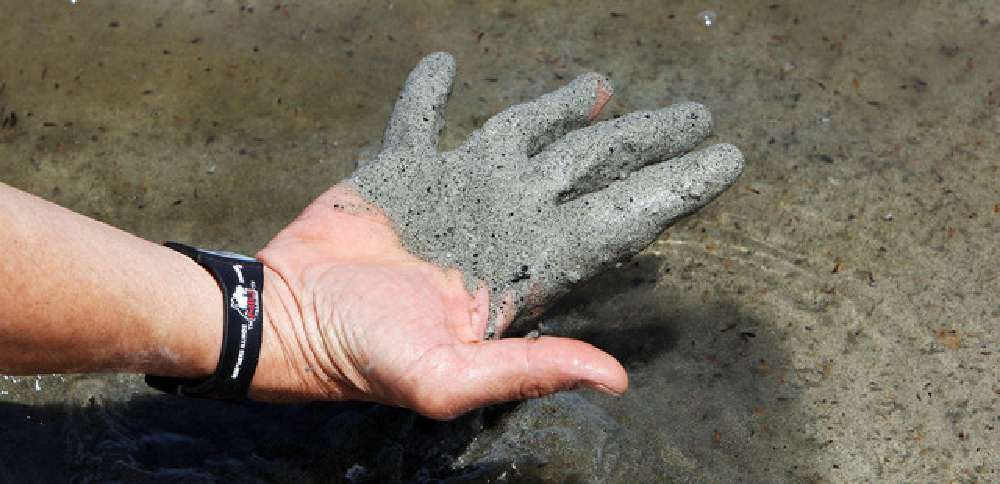
SALT LAKE CITY — Hannah Freeze and her husband were on their Box Elder County farm when they started brainstorming what would become HB410, a bill calling for a program that would make it easier for farmers like themselves to send water to the Great Salt Lake.
"This is something that's a scary topic. It's something that we are cautiously optimistic about in the agricultural community," said Freeze, who also serves as Utah's Great Salt Lake deputy commissioner, as she explained it to members of the Utah House Natural Resources, Agriculture and Environment Committee on Thursday.
HB410, sponsored by Rep. Jill Koford, R-Ogden, calls for the creation of the Great Salt Lake Preservation Program, a new fund and governing board that protects leased water so that it gets to the lake. It also creates other measures meant to streamline the process, as well as mechanisms that help the Utah Legislature tweak the program as needed in the coming years.
It would make it easier for farmers to make "game-time decisions" regarding their water based on weather or market conditions every year, Freeze explained. They could seek water leasing, which is where the state pays for their water to send it downstream to the lake, if that makes sense one year. If it makes sense to keep the water during another year, they'd have that option, too.
Koford is also sponsoring HB348, which is slightly similar. It seeks to create a new dedicated water application process for water rights holders seeking to send water to troubled bodies of water, like the Great Salt Lake and Colorado River system.
The bill calls on the Utah Division of Water Rights to prioritize dedicated water applications so they're handled faster. It would also essentially make it easier for water rights holders to choose whether to retain their water rights or send water downstream, a decision that can be made at the start of every year, said Teresa Wilhelmsen, the state engineer.
Her office would know how to distribute that water once an application is finalized, and then track it to make sure it ends up in its intended destination.
"We'll account for it and report at the end of the year how much of that water did make it to any of those systems," she said. "It really will help us streamline."
Both bills faced little pushback on Thursday, receiving unanimous support from the committee after conservation groups, agricultural organizations and others spoke in favor of them.
They said it provides farmers and ranchers the flexibility to choose when to dedicate water, which is vital because agricultural water use still accounts for the majority of the depletions in water that would otherwise end up in the Great Salt Lake. Some said they also like that the legislation would allow for philanthropic donations to pay for more water leasing.
"It's part of a sustained effort to ... help those who want to help the lake, and the farmers do," said Warren Peterson, representing Utah Farm Bureau. "We think it will accelerate efforts for agriculture to help with the lake."
That's why Brian Steed, Utah's Great Salt Lake commissioner, also backed the legislative effort. He called both bills important in getting water "where it needs to be," whether that's the lake or the Colorado River system.
Brine shrimp bill
The committee also voted unanimously to endorse HB247, a Great Salt Lake funding amendment bill sponsored by Rep. Raymond Ward, R-Bountiful, on Thursday. The bill, if approved, would redirect a portion of the state's brine shrimp tax to a state sovereign lands management account starting in July 2027, which could be used for water leasing for the Great Salt Lake or projects that could help brine shrimp health.
This could allow for more ways to improve the lake, which would then benefit where brine shrimp live, said Tim Hawkes, board chairman of the Great Salt Lake Brine Shrimp Cooperative, as he spoke in favor of the bill.
"If the industry is going to have to pay this royalty, it's nice to see that money come back to protect the resource that generates the funds to begin with," he said.
All three bills now move forward to the Utah House of Representatives for a full vote. All must be approved by the House and Senate by March 6 before they can potentially go into law.
 on the uploaded document.
0 General Document comments
0 Sentence and Paragraph comments
0 Image and Video comments
New Conversation
If you keep reading this article about HB410, what’s one question or reaction you’d want to jot down right now—then either click Continue with AI to talk it out here, or head to Create Document to start your own notes or draft about it?
New Conversation
Hide Full Comment
Here’s what I can tell from public info (and a small snag I ran into):
If you’re writing about this, what’s one guess you have—based on Wilson’s past Great Salt Lake work and Hannah Freeze’s story—about his motivations for sponsoring “your” HB410 that you could put into your own words right now (and then either click Continue with AI to keep thinking it through here OR head to Create Document to start drafting or upload the full article)?
New Conversation
Hide Full Comment
If you tell me whether you mostly want farmer-focused “how would this work for me?” information, or more legal/policy background, I can help you decide which type of resource to read first—and then you can either click Continue with AI to keep digging into this together, or go to Create Document to upload an article about HB410/water leasing (or start your own notes on it) and work from there; what kind of resource do you want first?
New Conversation
Hide Full Comment Hide Thread Detail
If you skim one of these and want help turning it into notes or a short explanation in your own words, you can either click Continue with AI so we talk through what you’re seeing, or go to Create Document to paste in an article about HB410/water leasing (or start your own notes) and respond right now—what’s the first thing you’d like to capture or understand from these resources?
New Conversation
Hide Full Comment
General Document Comments 0

