


5 Reasons It Is Important for Adults to Get Vaccinated
0 General Document comments
0 Sentence and Paragraph comments
0 Image and Video comments
LINK - 5 Reasons It Is Important for Adults to Get Vaccinated | Adult Vaccines | CDC
Vaccines are the best way to protect yourself and your loved ones from preventable diseases. The vaccines you receive are safe. Vaccines may be required at work, school, for travel or more activities.
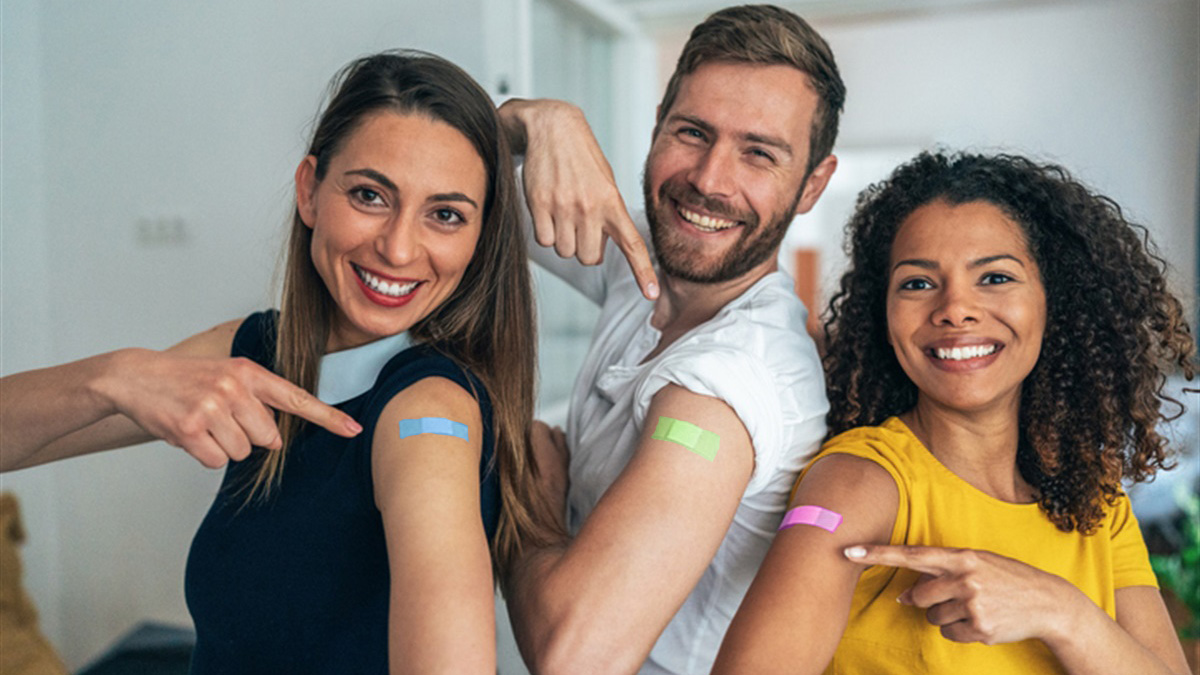
1. Vaccines Have Saved Lives for Over 100 Years—But Serious Disease Is Still a Threat
Vaccines have greatly reduced diseases that once routinely harmed or killed babies, children, and adults. People all over the world—including in the United States—still become seriously ill or even die from diseases that vaccines can help prevent. It is important that you stay up to date on recommended vaccines.
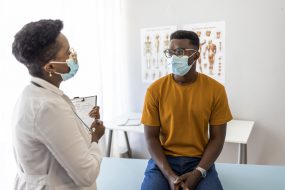
The protection some vaccines provide can fade over time, and you might need additional vaccine doses (boosters) to maintain protection. For example, adults should receive a tetanus booster every 10 years to protect against infection from dirty wounds. Talk to your health care provider about vaccination to see whether you might have missed any vaccines or need a booster.
2. Vaccines Are the Best Way to Protect Yourself and Your Loved Ones from Preventable Disease
Did you know that vaccines are the best way to protect yourself from certain preventable diseases? Vaccines help your body create protective antibodies—proteins that help it fight off infections.

By getting vaccinated, you can protect yourself and also avoid spreading preventable diseases to other people in your community. Some people cannot get certain vaccines because they are too young or too old or they have a weakened immune system or other serious health condition. Those people are less likely to catch a preventable disease when you and others around them are vaccinated against it. Help protect yourself and the people you love by staying up to date on recommended vaccinations.
3. Vaccines Can Prevent Serious Illness
Some vaccine-preventable diseases can have serious complications or even lead to later illnesses. For them, vaccination provides protection not only against the disease itself but also against the dangerous complications or consequences that it can bring. Some examples:

- Seasonal influenza (flu) is a respiratory virus that sickens tens of millions of people every year in the United States. The annual flu vaccine helps you avoid infection and reduces your chances of being hospitalized or dying if you do become infected. Flu vaccine also protects you from flu-related pneumonia and flu-related heart attacks or stroke—complications that can affect anyone but are especially dangerous for persons with diabetes or chronic heart or lung conditions.
- Hepatitis B is a serious, potentially deadly infection of the liver caused by the hepatitis B virus (HBV). There is no cure, but vaccination prevents HBV infection as well as the chronic liver damage and cancer that hepatitis B can cause.
- Human papillomavirus (HPV) is a leading cause of cervical cancer and can cause other cancers in both women and men. HPV vaccine keeps you from being infected with the virus or passing it to others, protecting you and them from the immediate effects of the virus as well as from the various cancers it can trigger.
4. The Vaccines You Receive Are Safe
Vaccine safety is a high priority. CDC and other experts carefully review safety data before recommending any vaccine, then continually monitor vaccine safety after approval.
Vaccines can have side effects, but most people experience only mild side effects—if any—after vaccination. The most common side effects are fever, tiredness, body aches, or redness, swelling, and tenderness where the shot was given. Mild reactions usually go away on their own within a few days. Serious or long-lasting side effects are extremely rare, and vaccine safety is continually monitored.
5. Vaccines May Be Required
Certain vaccines are required for school, work, travel, and more. Students, military personnel, and residents of rehabilitation or care centers must be vaccinated against diseases that circulate in close quarters. Health care workers and others whose job puts them at risk of catching and spreading preventable diseases need to be vaccinated against them.

And, of course, vaccination is required before travel to many places around the world. Because vaccination protects you and those around you, vaccines can be required for everyday activities as well as for extraordinary situations. It is important that you stay up to date on recommended vaccinations.
General Document Comments 0


 on the uploaded document.
0 archived comments