


Meet Kiese Laymon
Author: Kiese Laymon
https://www.kieselaymon.com/
Kiese Laymon is a Black southern writer from Jackson, Mississippi. Laymon is the Libbie Shearn Moody Professor of English and Creative Writing at Rice University. Laymon is the author of Long Division, which won the 2022 NAACP Image Award for fiction, and the essay collection, How to Slowly Kill Yourself and Others in America, named a notable book of 2021 by the New York Times critics. Laymon’s bestselling memoir, Heavy: An American Memoir, won the Andrew Carnegie Medal for Excellence in Nonfiction, the Christopher Isherwood Prize for Autobiographical Prose, the Barnes and Noble Discovery Award, the Austen Riggs Erikson Prize for Excellence in Mental Health Media, and was named one of the 50 Best Memoirs of the Past 50 Years by The New York Times. The audiobook, read by the author, was named the Audible 2018 Audiobook of the Year. Laymon is the recipient of 2020-2021 Radcliffe Fellowship at Harvard. Laymon is at work on the books, Good God, and City Summer, Country Summer, and a number of other film and television projects. He is the founder of “The Catherine Coleman Literary Arts and Justice Initiative,” a program based out of the Margaret Walker Center at Jackson State University, aimed at aiding young people in Jackson get more comfortable reading, writing, revising and sharing on their on their own terms, in their own communities. Kiese Laymon was awarded a MacArthur Fellowship in 2022.

Kiese Laymon - MacArthur Foundation
macfound.org/fellows/class-of-2022/kiese-laymon
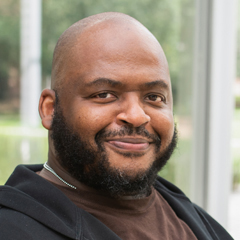
Bearing witness to the myriad forms of violence that mark the Black experience in formally inventive fiction and nonfiction.
About Kiese’s Work
Kiese Laymon is a writer bearing witness to the myriad forms of violence that mark the Black experience. Laymon’s writing across genres is grounded in radical honesty and his perspective as a Black Southern man. He exemplifies a commitment to revision in his writing practice and through his capacity for frank self-reflection.
Laymon’s first two books—the novel Long Division and the essay collection How to Slowly Kill Yourself and Others in America—were originally published in 2013. He published revised editions in 2020 and 2021, respectively, that more fully realize his original visions for the works. Long Division (2020) mixes elements of speculative and science fiction, mystery, and a coming-of-age story about two Black Southern teenagers, both named City but from different time periods (1985 and 2013). Laymon captures the cadence and concerns of adolescent speech—the bluntness and bravura tinged with uncertainty; the petty grudges and humorous obsessions—as the boys attempt to define themselves against the expectations of family and a hostile society. In How to Slowly Kill Yourself and Others in America (2021), Laymon experiments with structure and form. The essays include a letter to his uncle, a fictional presidential debate moderated by Laymon, and a transcript of a conversation between the author and four Black male friends. He marries pointed commentary on American society with self-examination, particularly of his former investment in forms of toxic masculinity that perpetuate misogynist treatment of Black women.
In his memoir, Heavy (2018), Laymon explores how trauma can be internalized and refracted as abuse revisited upon one’s own body or on the people one loves. Constructed as an address to his mother, Laymon grapples with the emotional and physical abuse she inflicted on him in her efforts to ensure he achieved the excellence necessary to succeed as a Black man in today’s America. And he reveals, with unflinching honesty, his struggles with addiction, eating disorders, and depression, which plagued his adolescence and early adulthood. Even as he acknowledges the harms done to him, Laymon expresses accountability for his own mistakes, as well as forgiveness and compassion for those who hurt him. Laymon’s work represents a powerful meditation on the potential for truth, reconciliation, and love—in interpersonal relationships and society as a whole—to engender a more humane future.
Biography
Kiese Laymon received a BA (1998) from Oberlin College and an MFA (2002) from Indiana University. He was a member of the faculty of Vassar College and the University of Mississippi prior to joining Rice University in 2022 as the Libbie Shearn Moody professor of English and Creative Writing. He is the founder of the Mississippi-based Catherine Coleman Literary Arts and Justice Initiative, and his essays have appeared in The New York Times, The Washington Post, Vanity Fair, and ESPN.com, among other publications.
Published on October 12, 2022
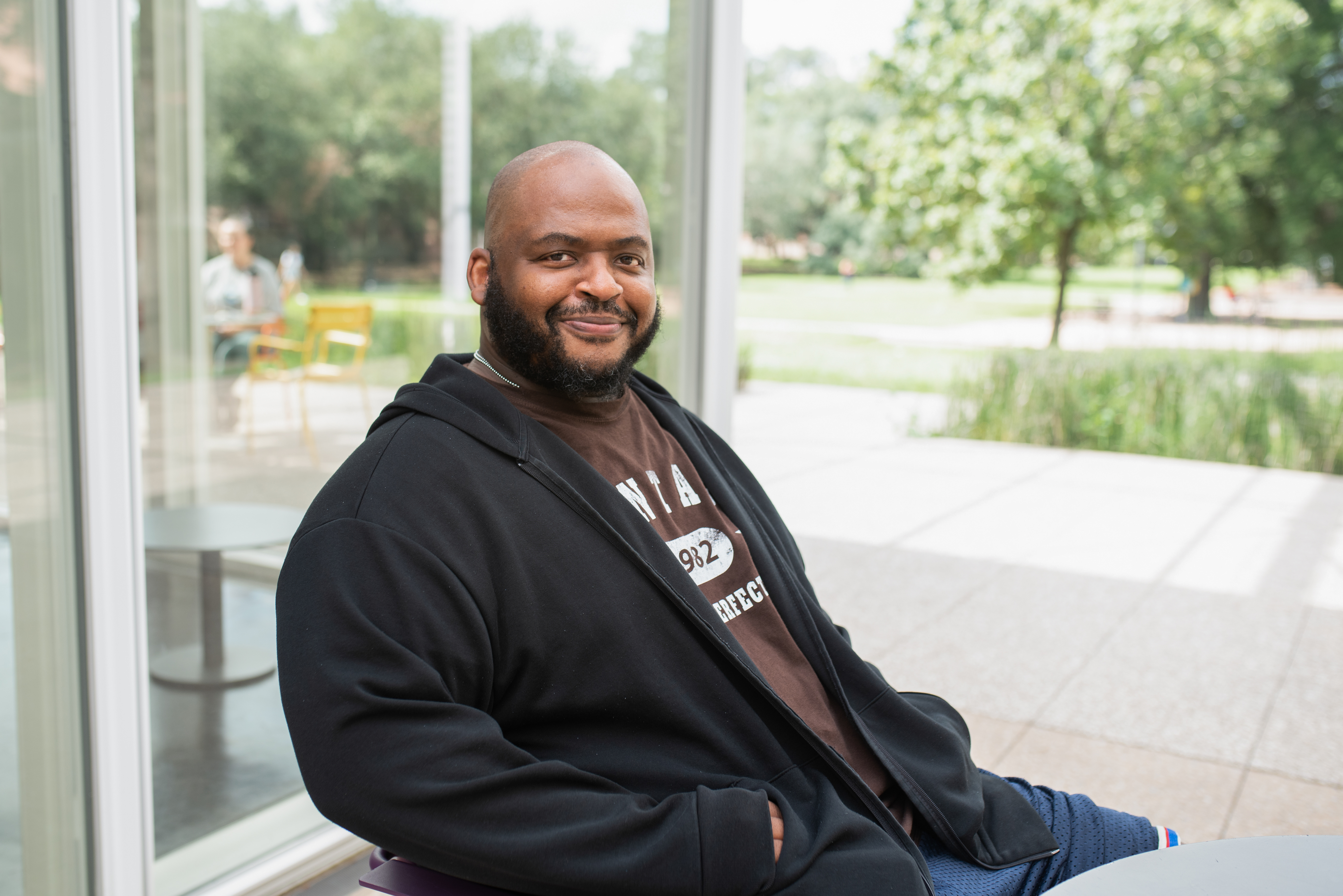
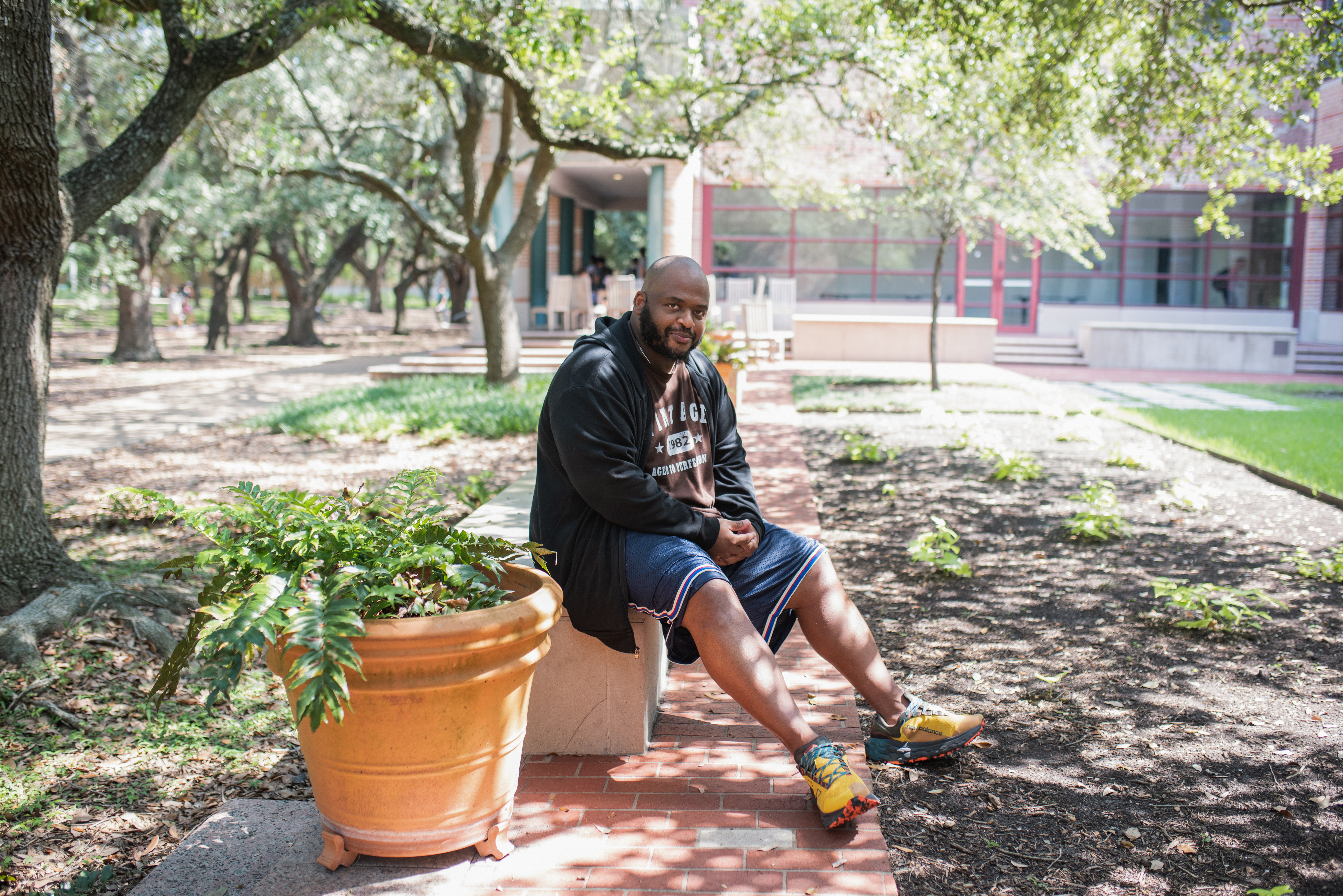
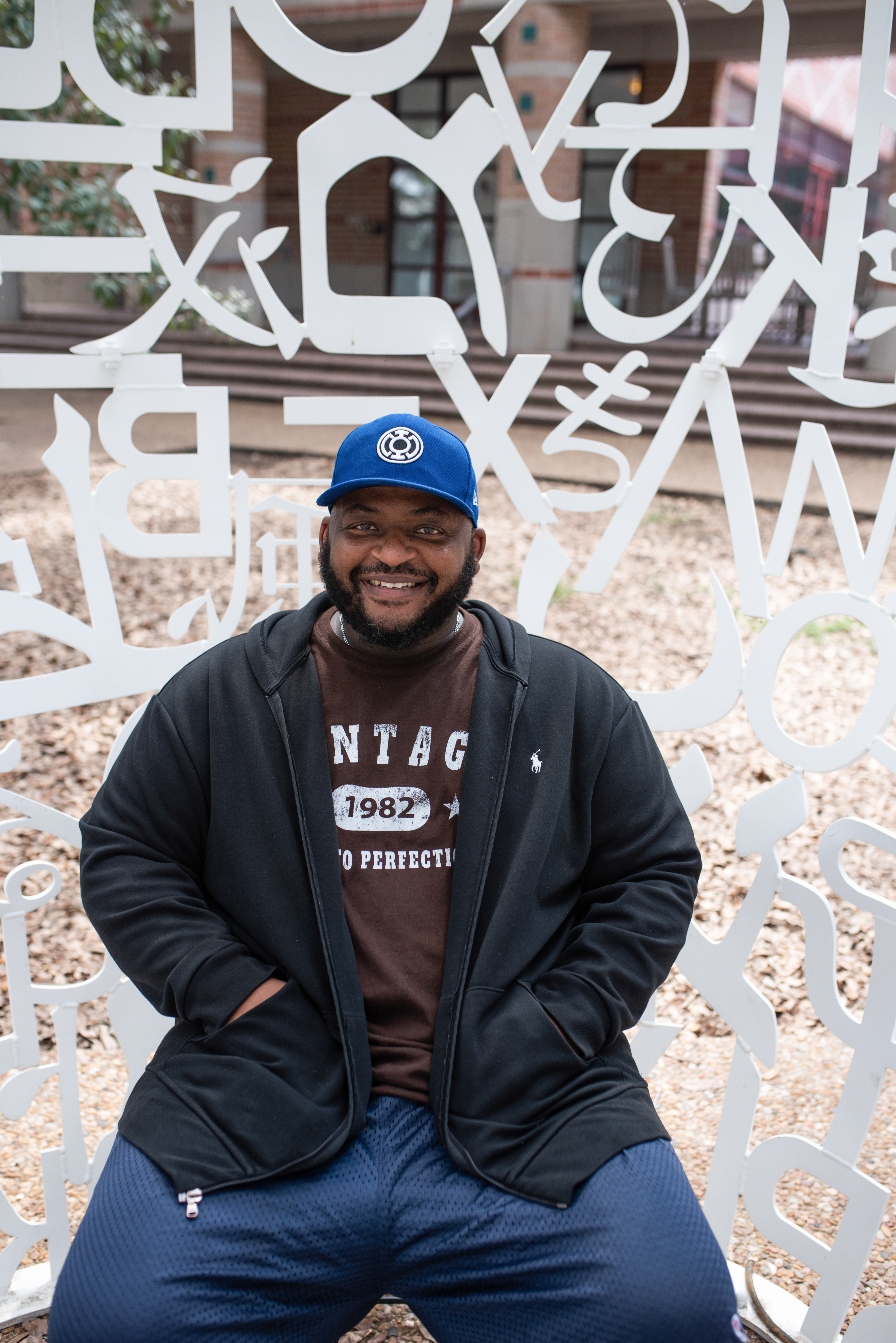
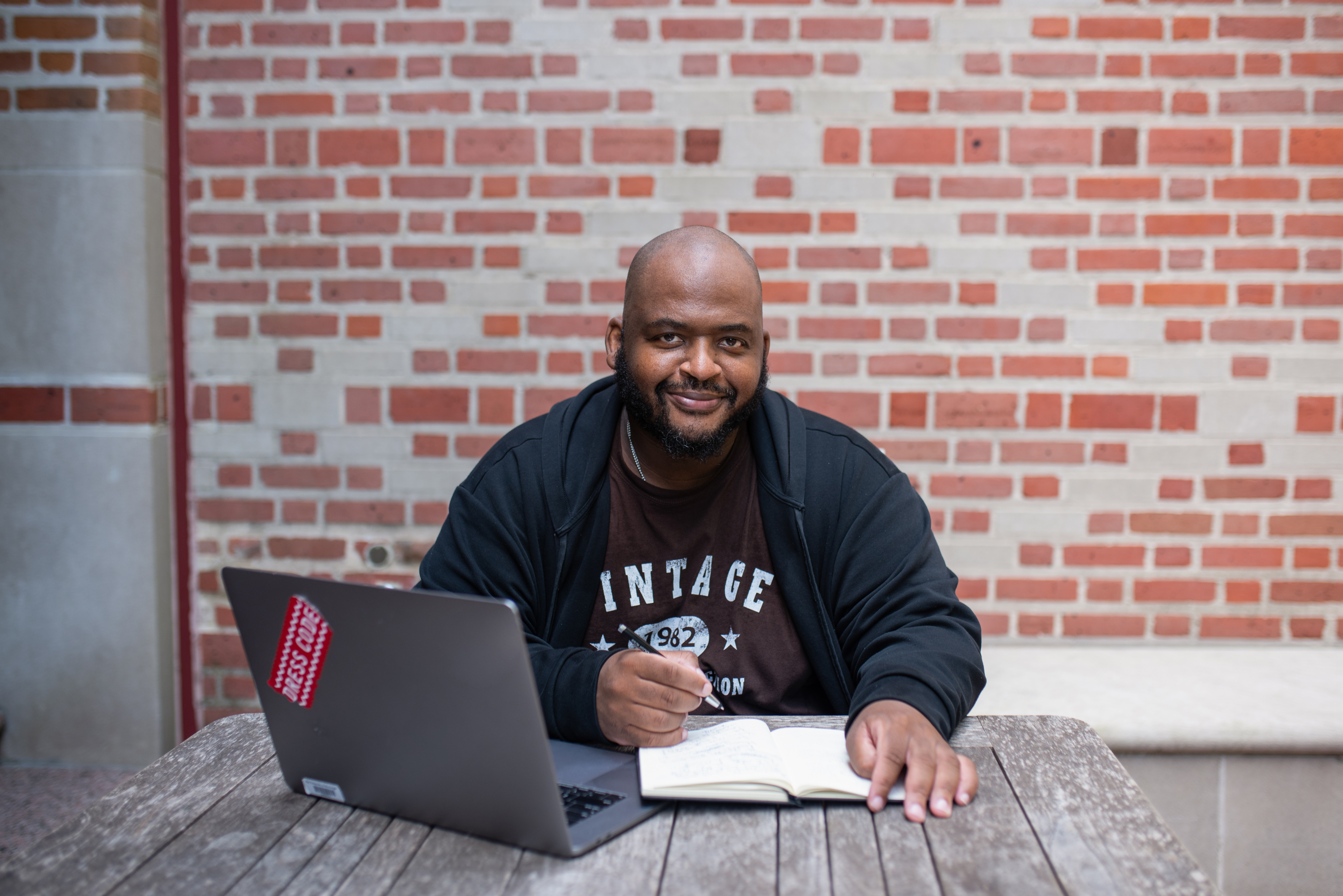
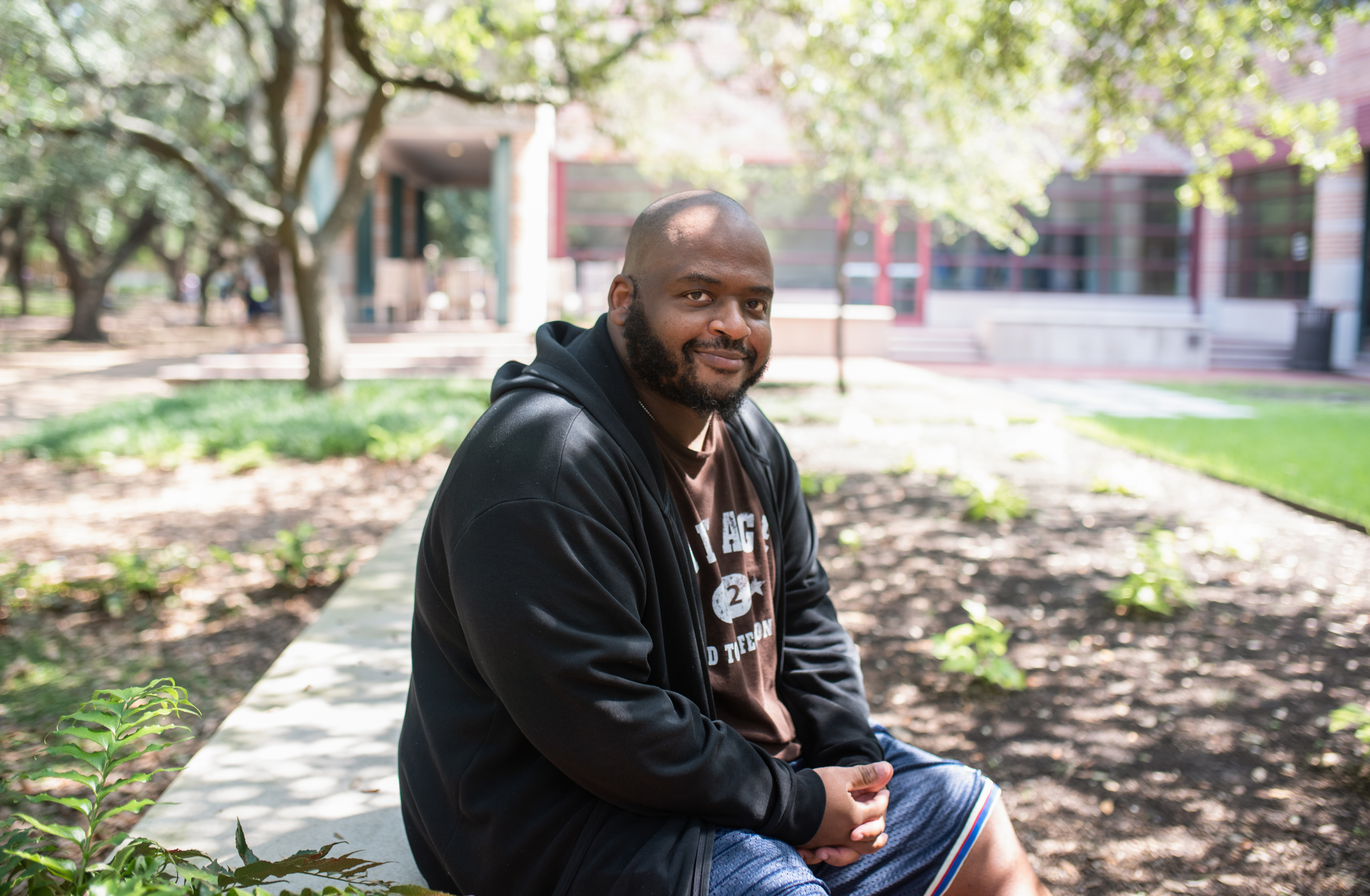
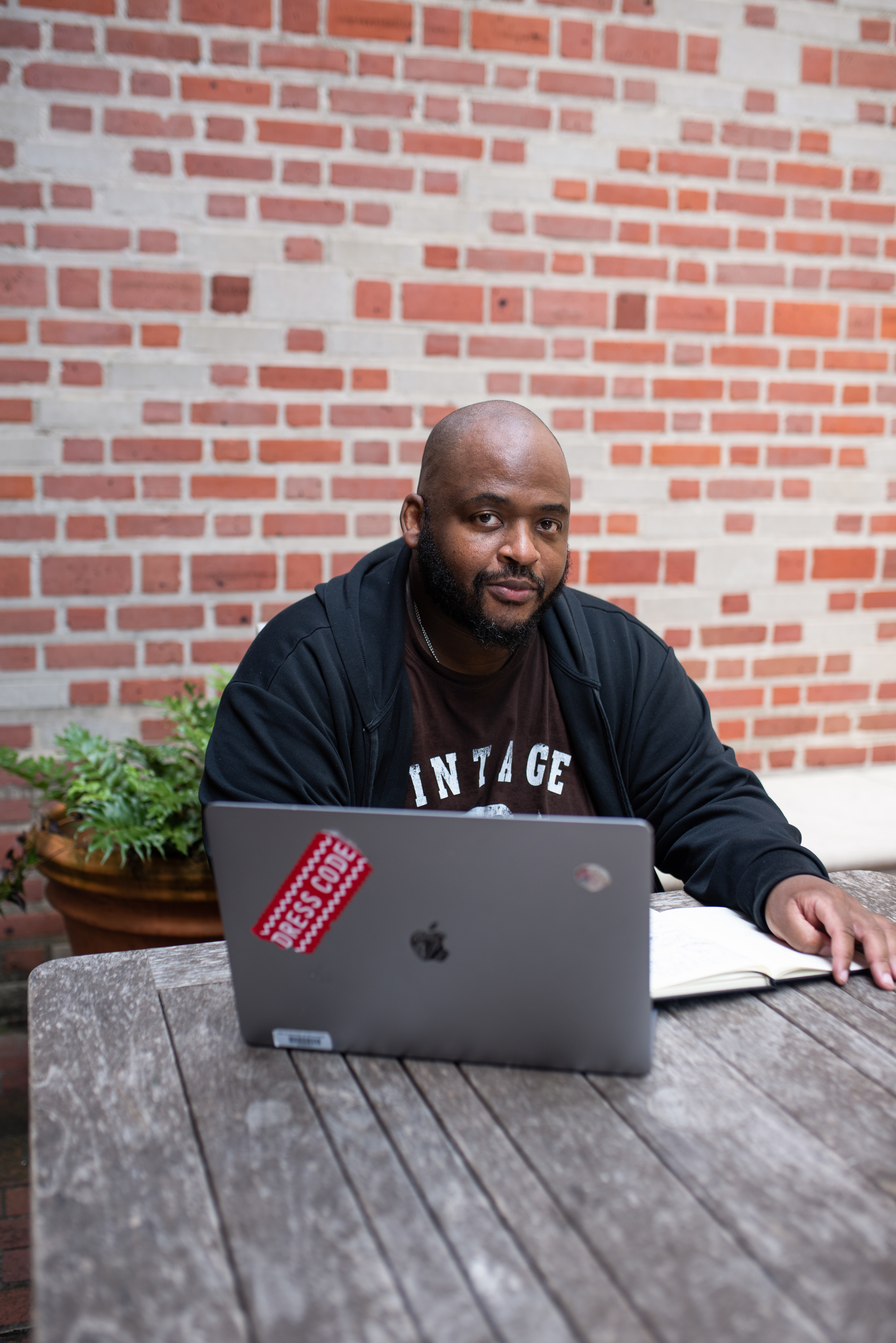
Photos of Kiese Laymon
High-resolution photos of MacArthur Fellows are available for download, including use by media, in accordance with this copyright policy. Please credit: John D. and Catherine T. MacArthur Foundation.
© 2024 John D. and Catherine T. MacArthur Foundation
Thank you, Grandmama, for daring to fight, for tenderly and rigorously loving us, for daring to be open about your failures, for not running north when you could, for making us know we are loved, for teaching us how to work and share and laugh. Thank you, Mama, for teaching me everyday that an unexamined life is not a rich life, for modeling a love of reading, writing, teaching, and building, for laughing when our hearts and heads were so heavy and so light, for being honest when it was easier to lie, for admitting you failed, for accepting you taught us how to dream and dodge, for revision. Thank you, Pops, for sending me letters after you and Mama broke up. I have no idea what it’s like to come from where you come from, but I know the scars are there, though you never talk about them. Thank you for not running out of Mississippi when you could. I hope we can keep working on being more honest and tender men together. Thank you, Mississippi and Jackson State University for birthing the architects of soul, blues, gospel and all thangs trill, for making sure our hearts beat with utter tenderness and absolute ferocity, for making me know that hometraining is crucial to all kinds of love, for pushing me away and accepting me back, for being every bit as scary and sublime as the uninitiated think we are, for that dog, for that dog, and that sonic boom. Thank you Millsaps College, for trying to unsuccessfully kill us and introducing me to rigor and routine. Thank you, Holy Family, for showing me that black southern love necessitates black southern friendship and black southern (in)formal education, for letting me laugh so much, for making me laugh so much, for teaching me how to be happy watching and listening, for introducing me to three people who absolutely saved my life: Mr. Otis, Ms. Simmons and Derrick Lerthon Carlisle, and for the lives and memories of David Rozier, Henry Wallace and Tim Brown.
Thank you, Oberlin College, for accepting me, for introducing me to hummus, tofu and new ways of using narrative voice, for introducing me to a black arts community, for really giving me the belief that I could make a life out of reading, writing, teaching and learning, for forgiving me when I failed, for loving me even when I did everything I could to hide from you.
Thank you, Kathy Belden, for believing in this project and me. Ever since reading Salvage the Bones, all I wanted to do was have a chance to collaborate. I honestly didn’t think we’d do the memoir first. I didn’t think we were ready. But you believed and you were patient. And you were persistent. And you cared about what the writing of the book was doing to my body, my heart. Thank you for welcoming me into your family and accepting a big place in mine. Thank you, PJ Mark, for being he greatest agent on earth. When I wanted to use this book to punish myself, you opened up about your own experiences and told me to slow down and love the body I have, even if it wasn’t the body I wanted. Your care for prose is only eclipsed by your care for the writers you work with. I did this alone for so long that I gave up on the idea of agents actually being advocates and warriors. Thank you, PJ, for being a bad bad bad ass white boy. Squad.
Thank you, teachers and readers and critics and academics and librarians, for taking time to engage with any sentence or paragraph I've written, for sharing those sentences with other readers and students, for taking time with the work even when I get it wrong, for giving me permission to create and revise what I've never seen.
 on the uploaded document.
0 General Document comments
0 Sentence and Paragraph comments
0 Image and Video comments
General Document Comments 0

